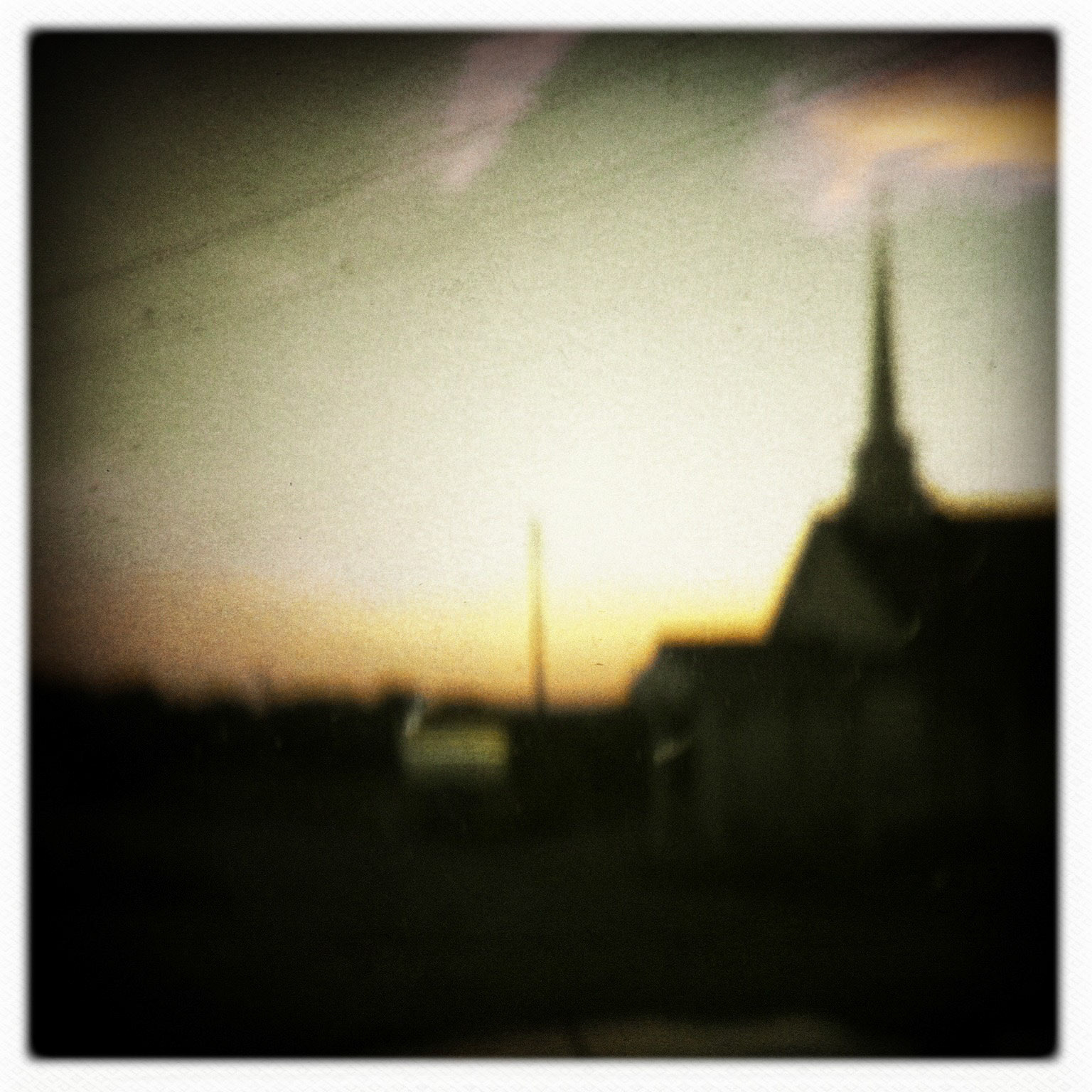
These photographs explore geographic and temporal threshold spaces—rural roads at dusk, horizons glimpsed through haze, landscapes suspended between recognition and mystery. Places that exist in between: between day and night, between human and natural, between sacred and ordinary. Dusk becomes a recurring presence in this work because it’s that archetypal liminal time when the familiar world becomes strange, when ordinary places open to possibility. These are America’s in-between spaces— churches that appear more like memory than structure, roads that curve beyond sight into the unknown, landscapes caught in the soft uncertainty of transition. They suggest that liminal experiences aren’t exotic or rare but embedded in the everyday geography of our lives, particularly in these rural places that themselves exist between past and future, between rootedness and departure, waiting for attention.
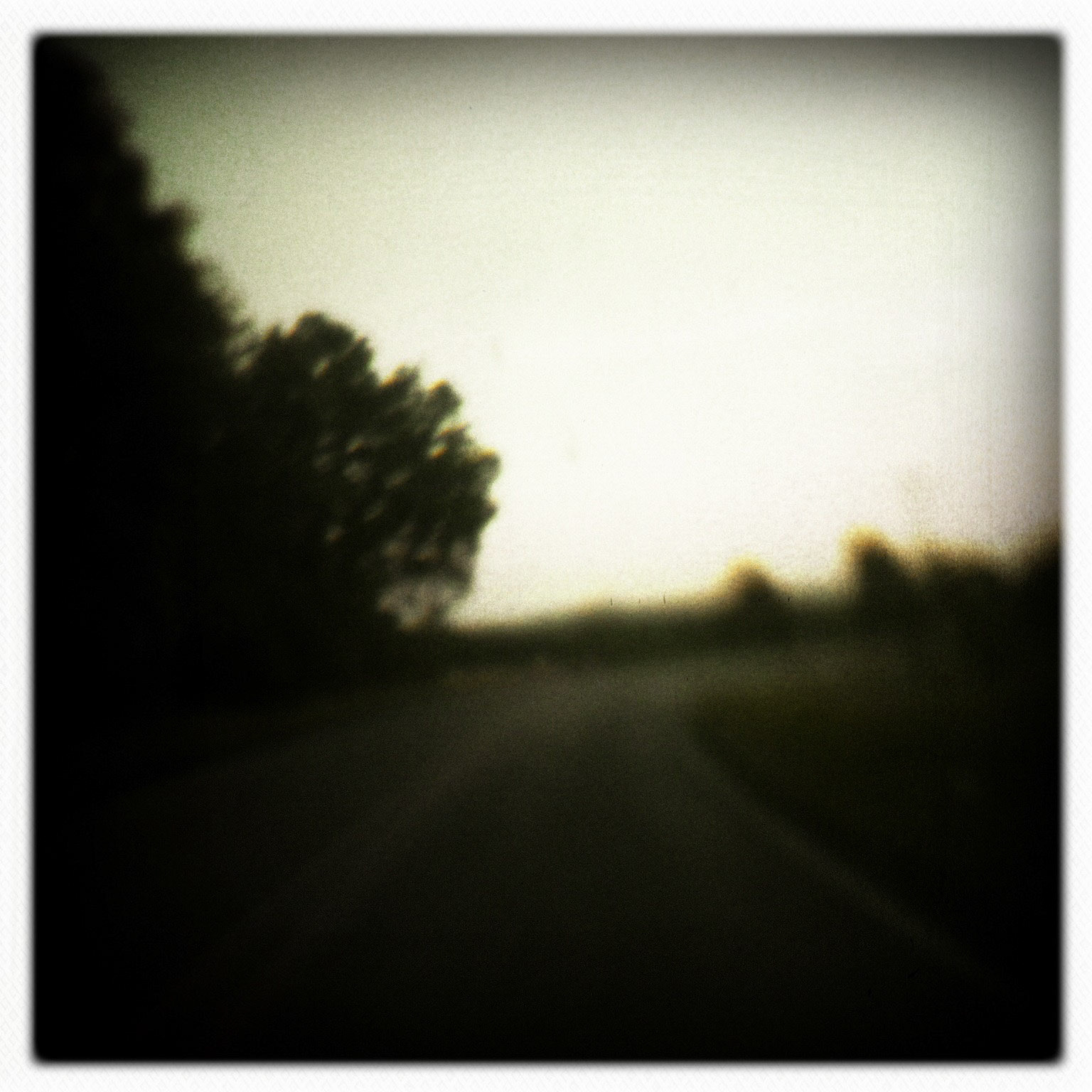
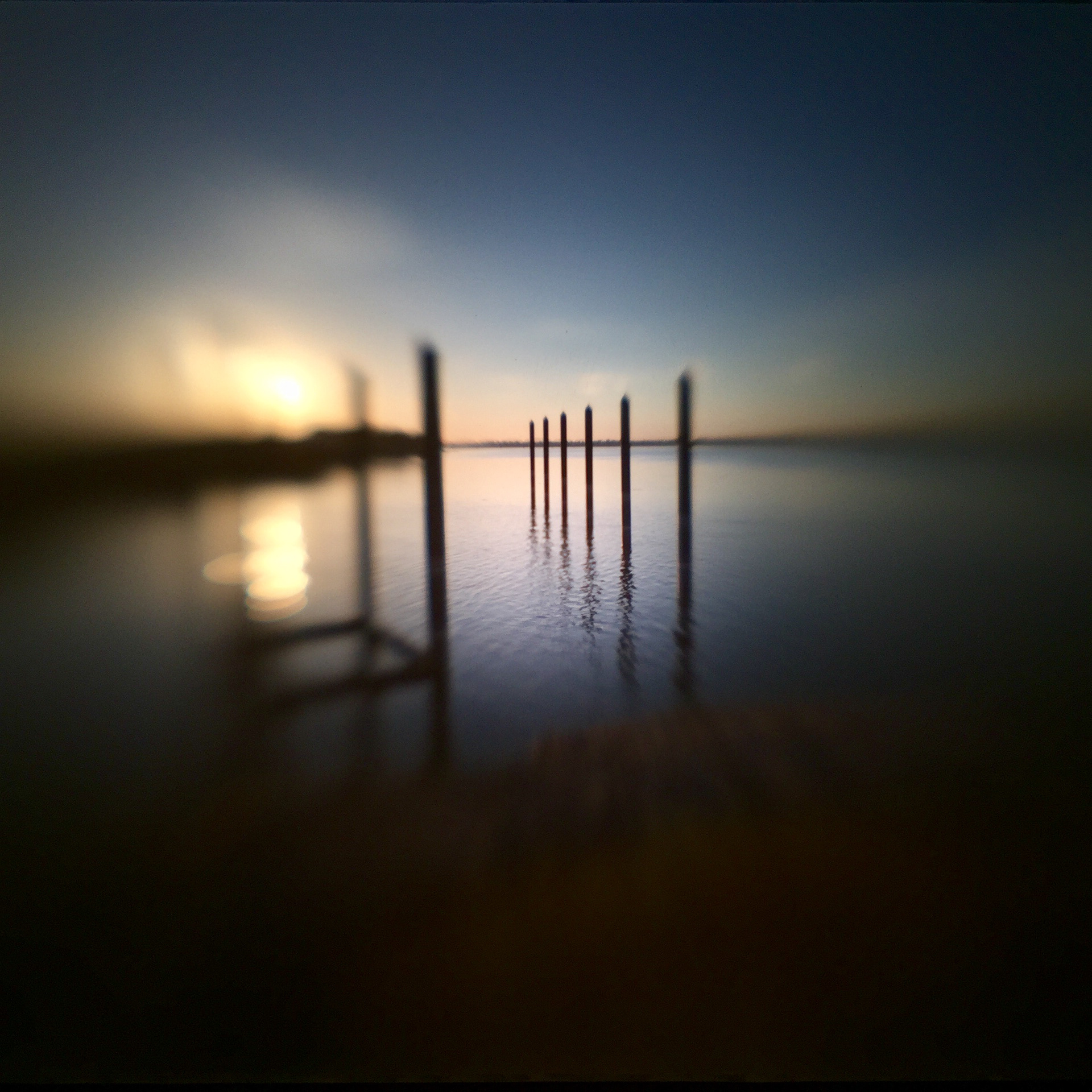
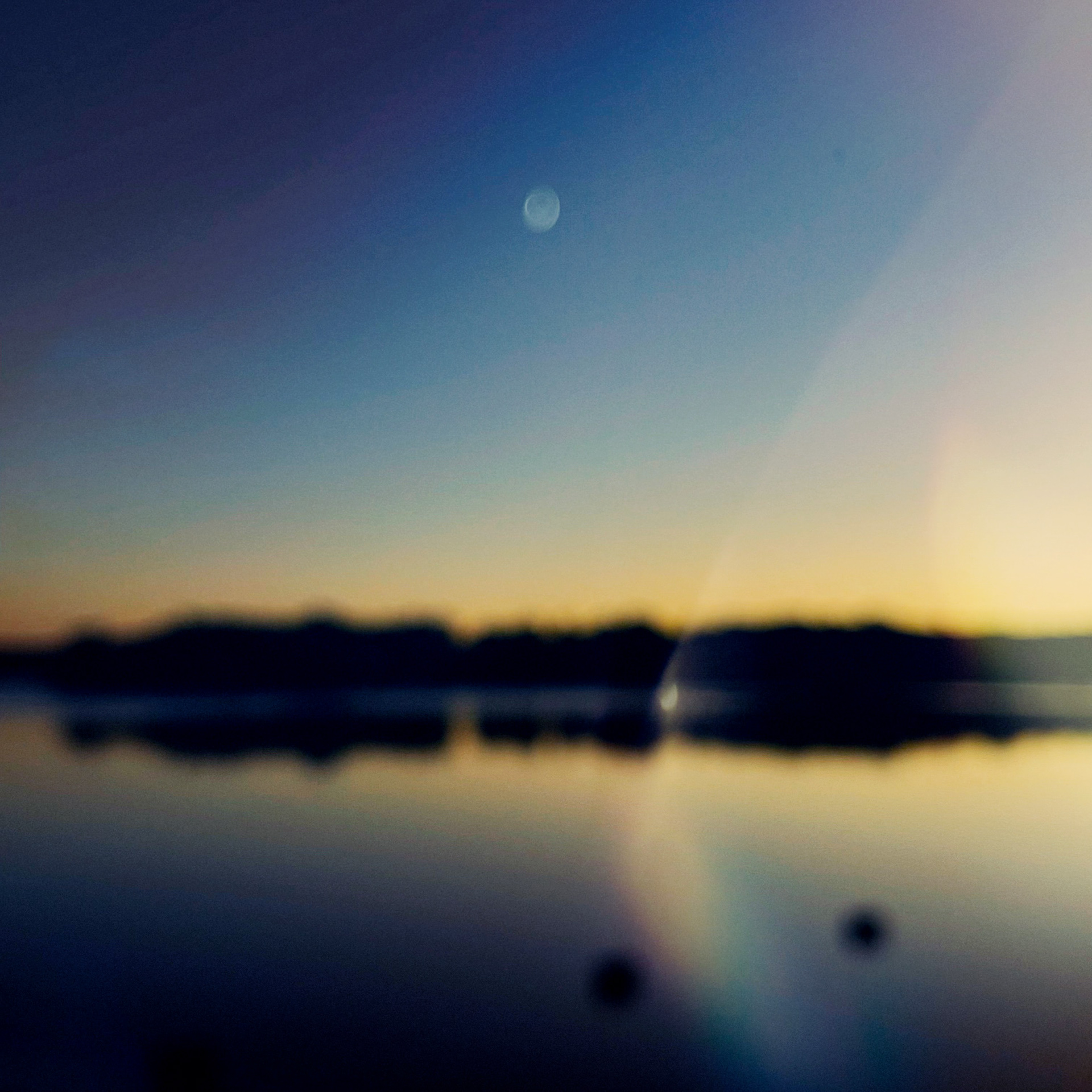
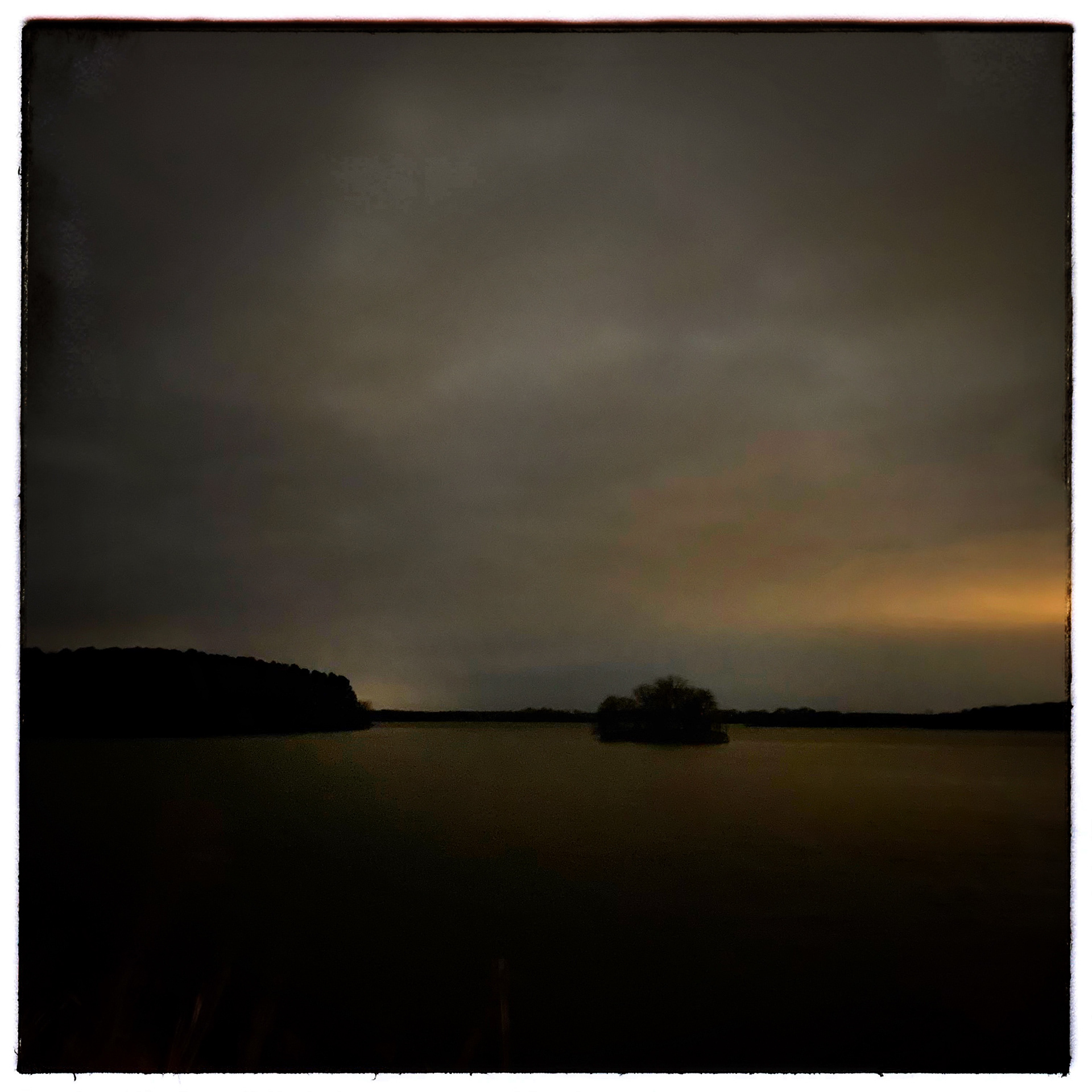
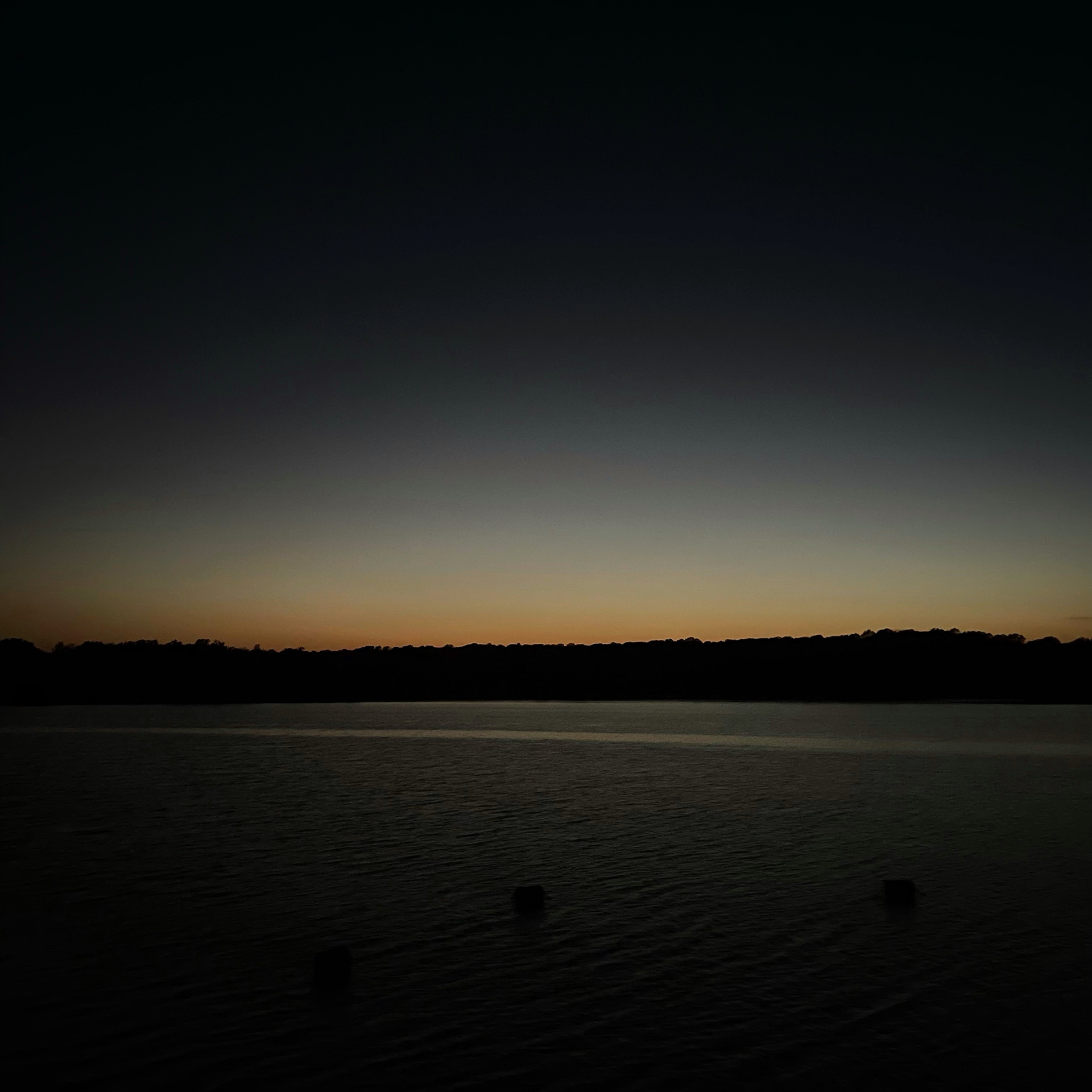
These landscapes don’t offer answers. They just hold the question open. What if the in-between isn’t something to pass through quickly but the place where we actually live? What if threshold isn’t a doorway but a room? This light that refuses to choose, that hangs between day and night holding the world in suspension, and roads that curve away into their own disappearing, into distance that creates itself as something to move toward without ever getting closer, and there’s something about this hour, this in- between time when familiar places become uncertain, when the ordinary admits it was always strange underneath, just hiding in daylight’s clarity, and maybe that’s what draws the lens back here again and again, this conspiracy of light and space to unmake certainty, to suggest that what we think is solid might dissolve if we look at the right hour, from the right distance, and the question isn’t where these roads lead but whether leading somewhere was ever the point, whether we’ve been approaching something or just learning to exist in the approach itself, in the perpetual state of moving through what never resolves.