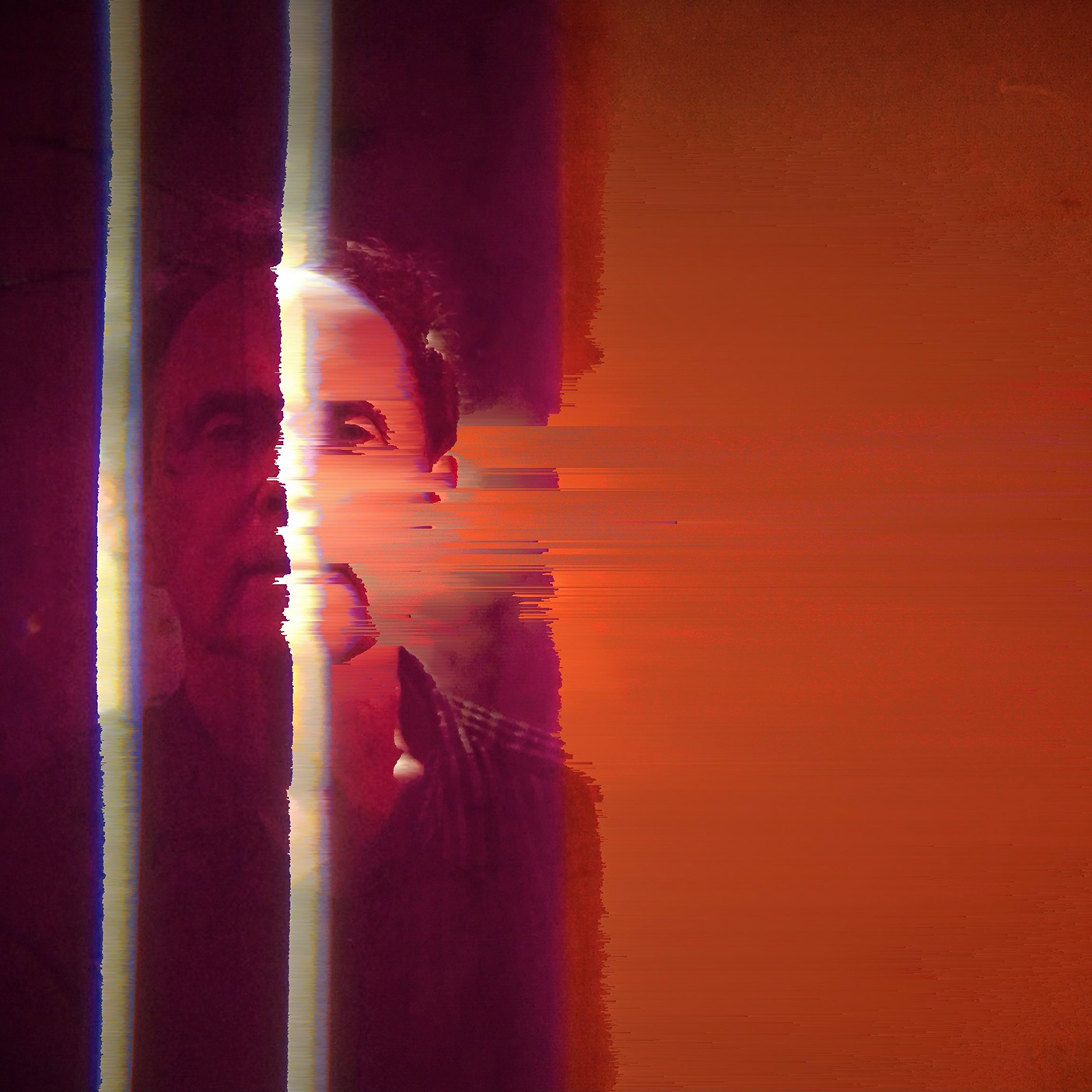
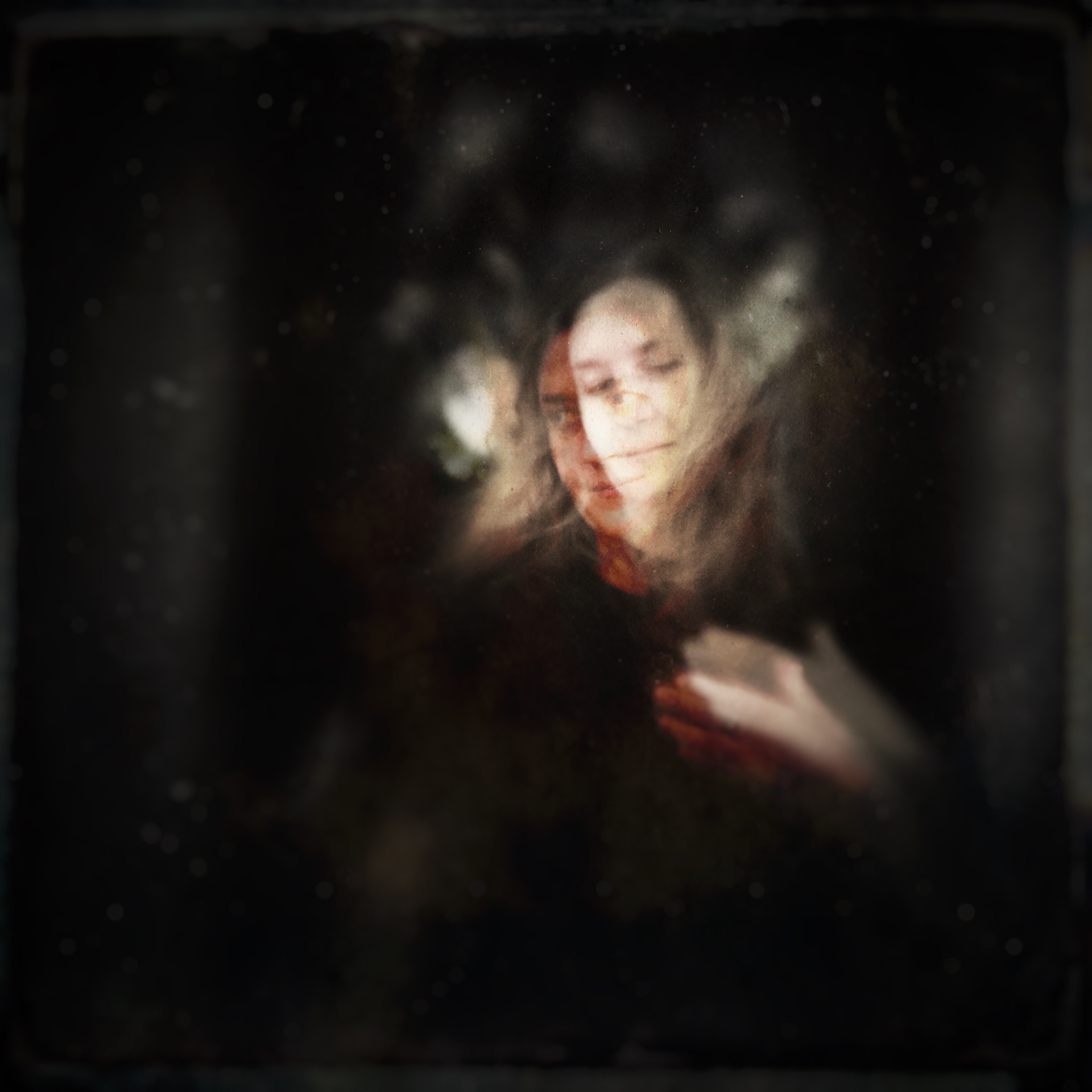
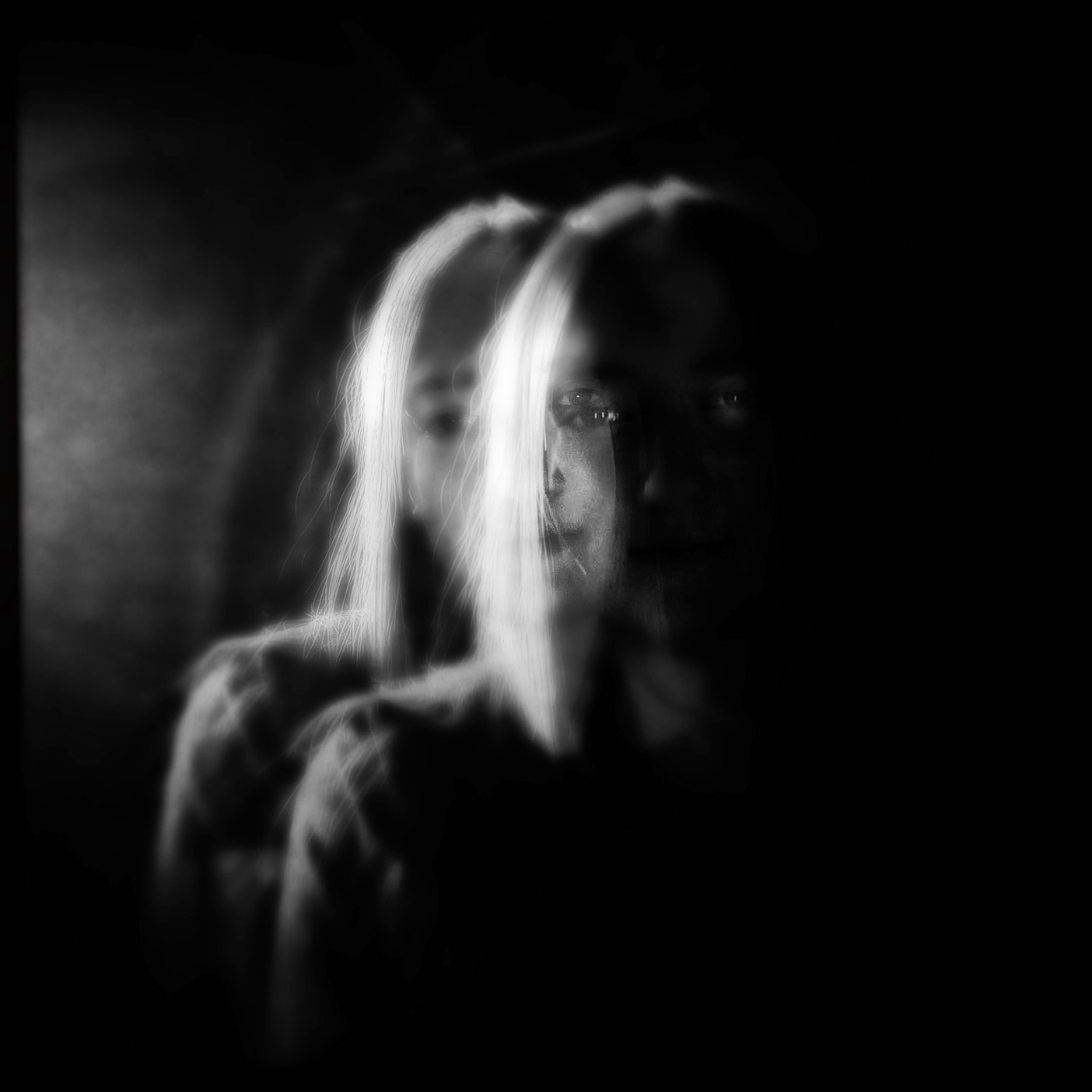
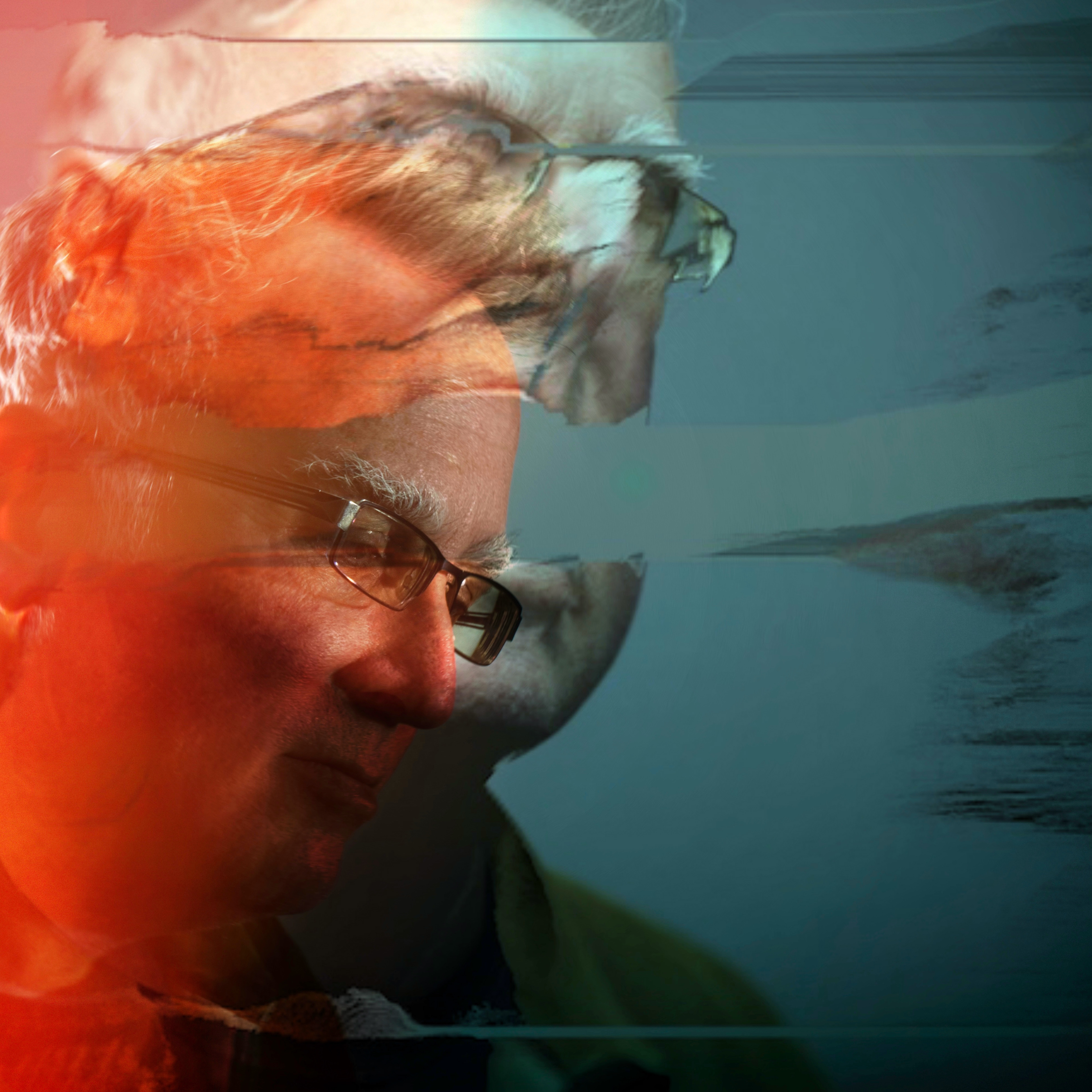
These portraits document people in threshold states - caught between versions of themselves, navigating the space between public and private selves. I photograph them using a camera obscura I built that merges centuries-old optical principles with digital capture. Some images remain as captured; others I push further through digital corruption and glitching.
The dissolution you see isn't technical failure. It's what happens when you try to photograph someone mid-transformation, when identity refuses to hold still. The blur, the overlapping exposures, the glitch corruption, the way figures dissolve at the edges - these acknowledge that some human experiences resist the clarity we expect from photographs. The space between stable identities doesn't look sharp. It looks uncertain, layered, in motion.
The camera obscura creates an inherent instability - even when working like a normal camera, the ancient optics produce a different quality of image. The digital corruption, when I use it, pushes that further, letting the image break down in ways that mirror how identity itself can fragment during transition. Both analog and digital processes serve the same purpose: showing becoming rather than being.
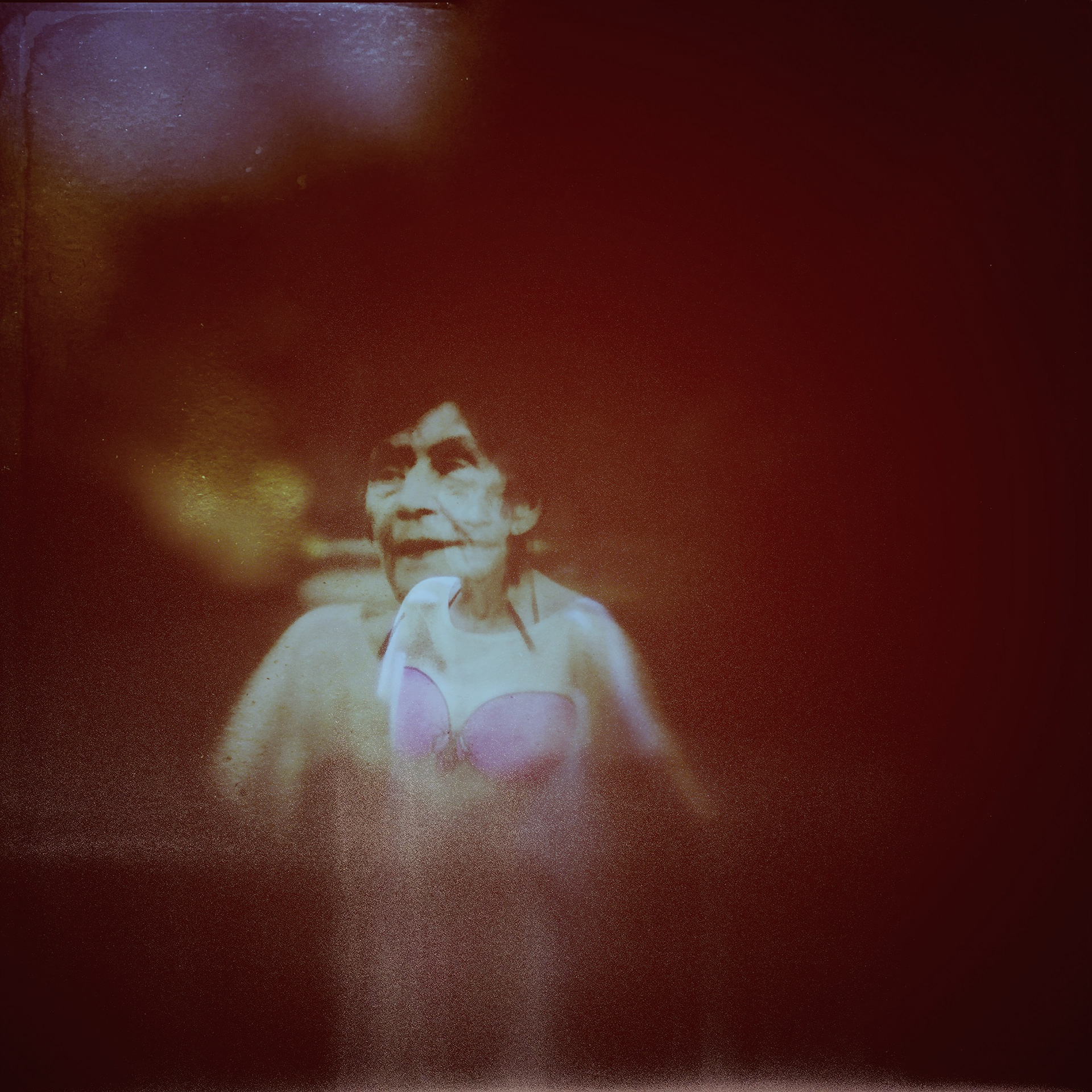
sue
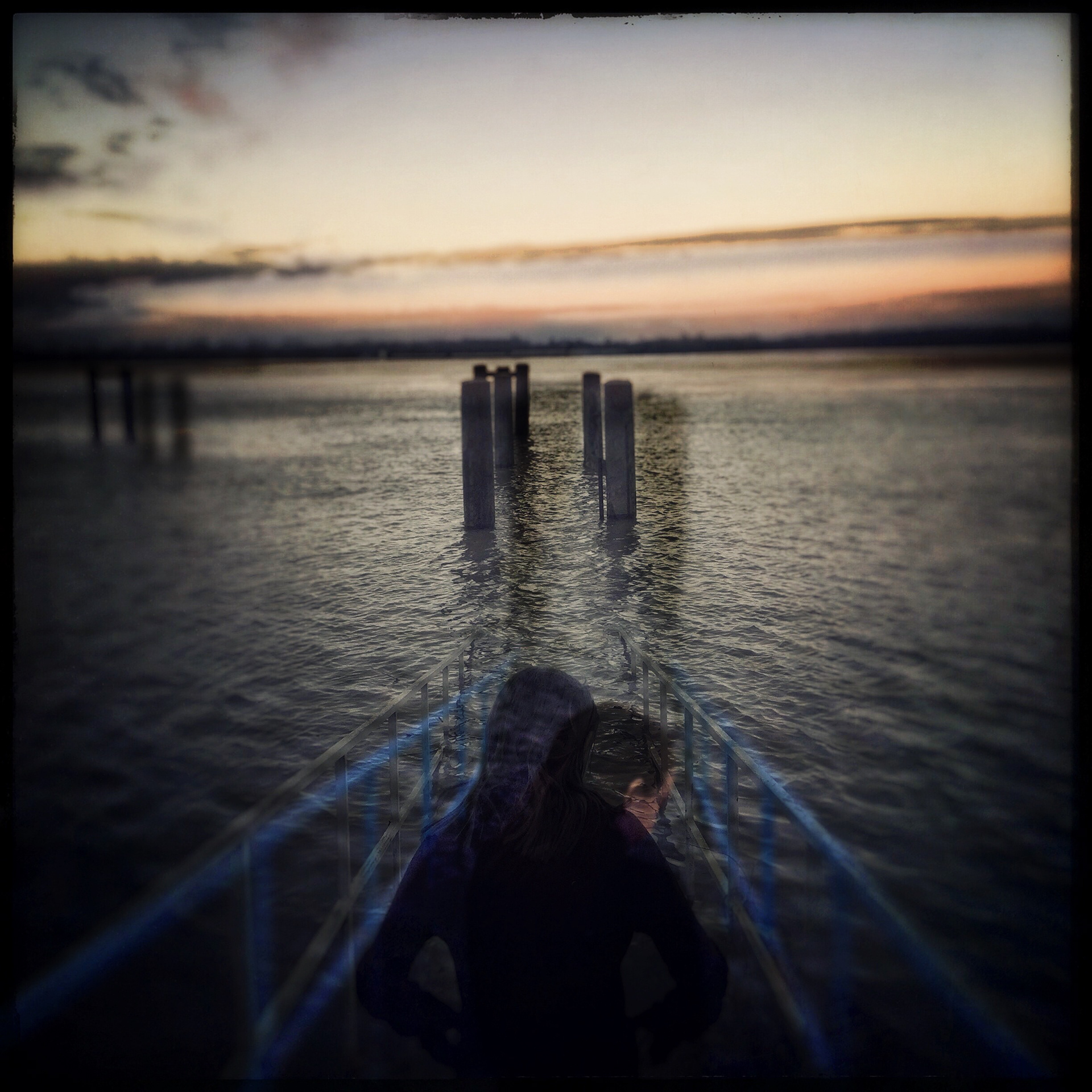
laura
may
paul
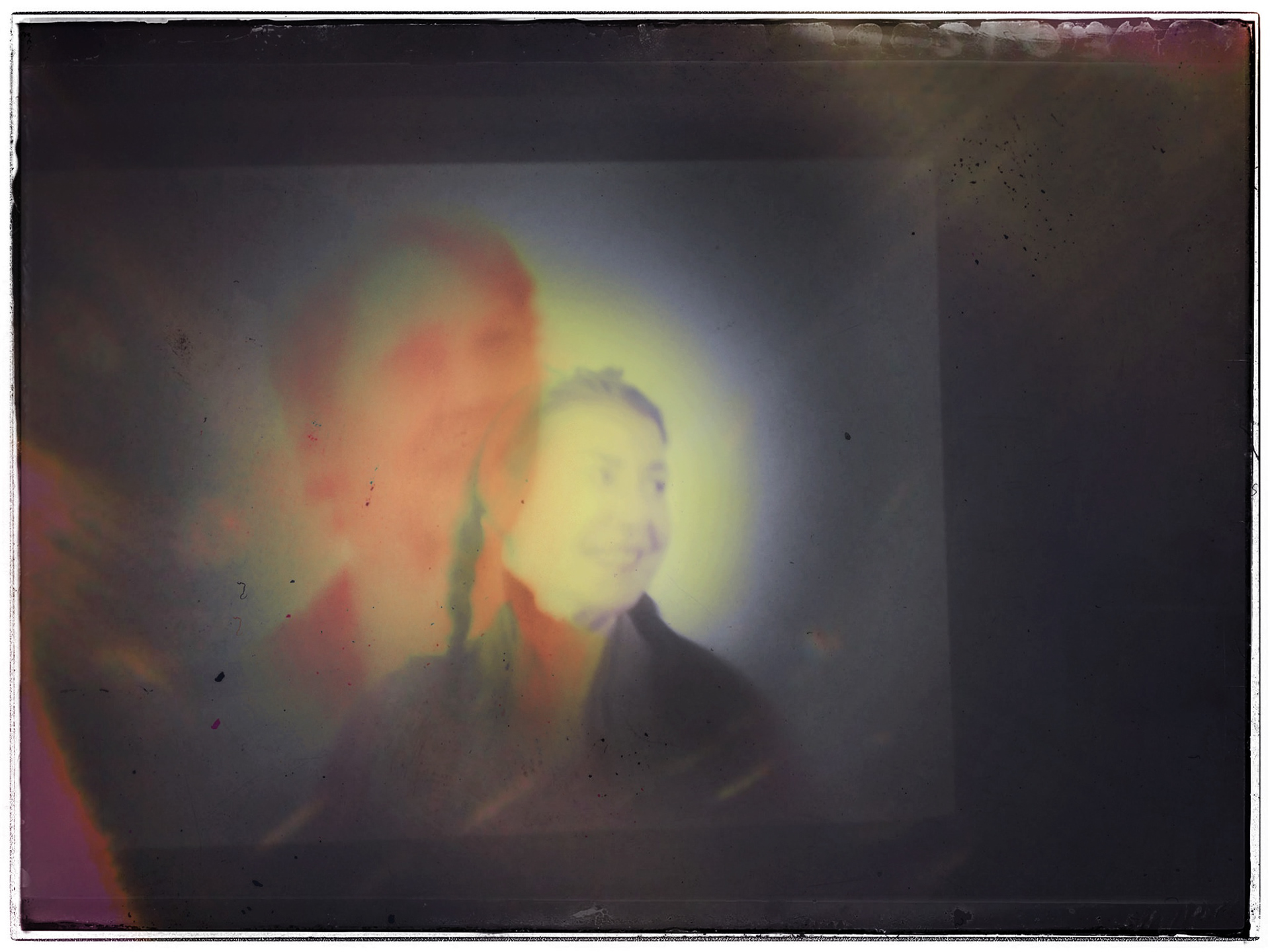
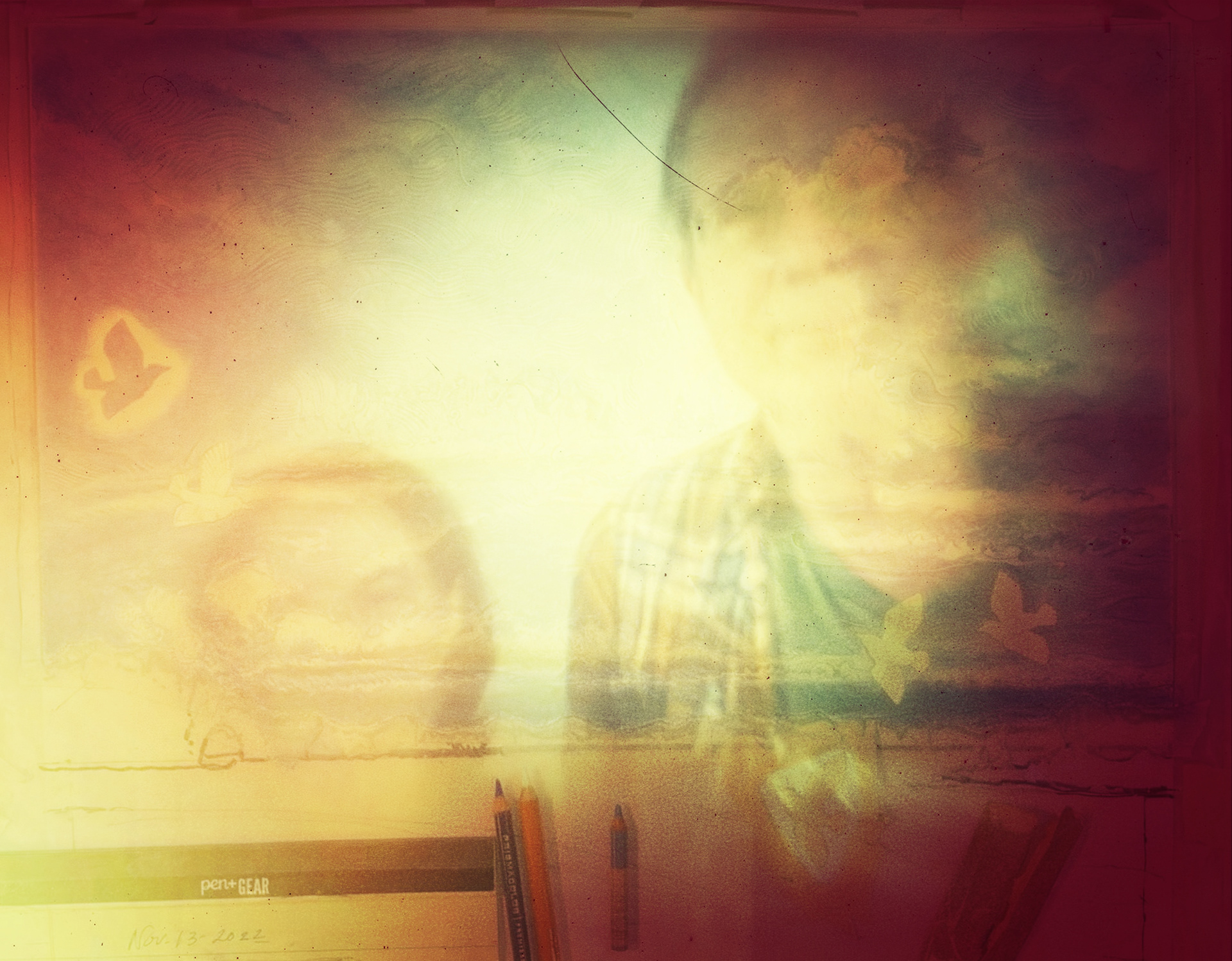
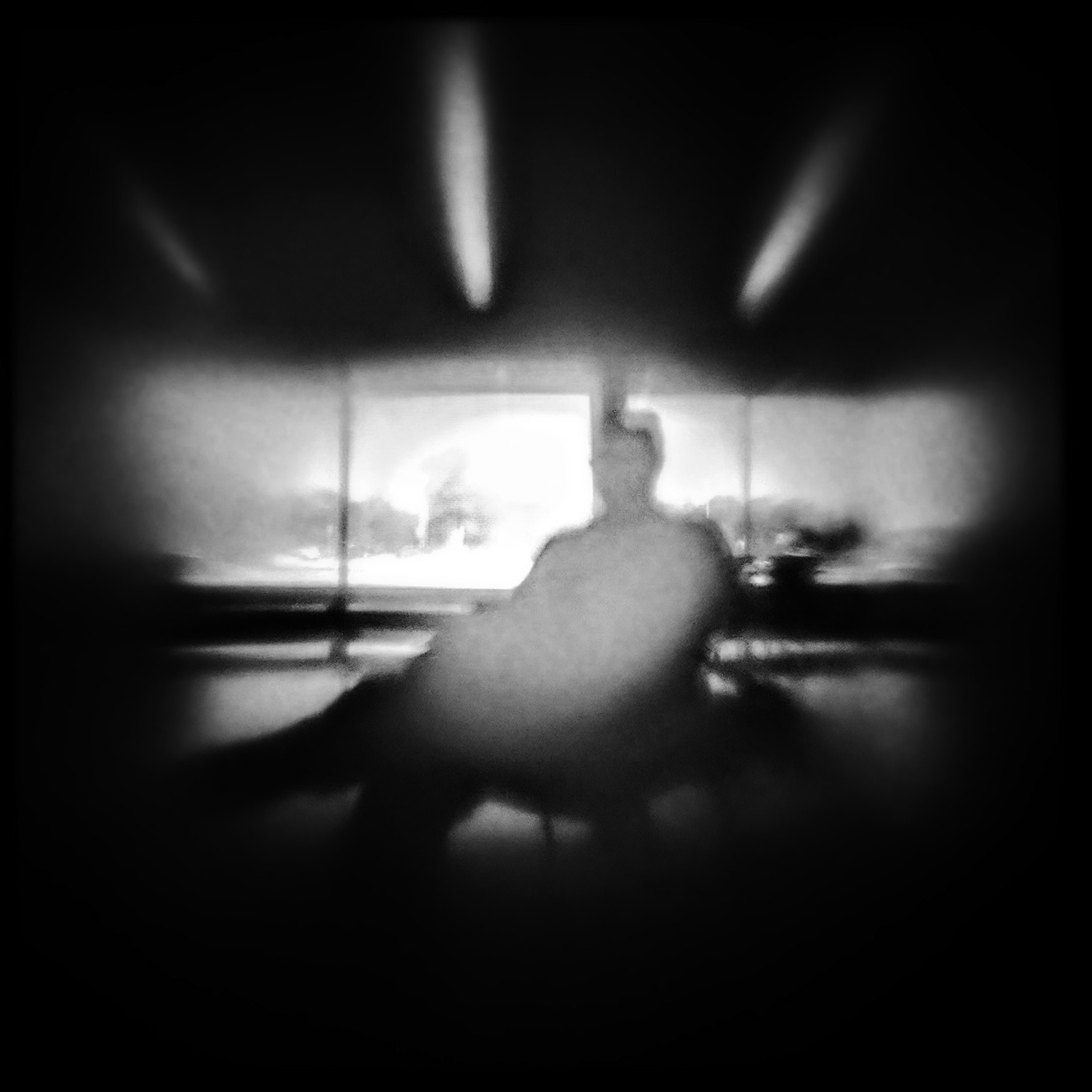
Faces sliding sideways before I can name them and I’m watching one version peel off another like the world forgot to hold its breath long enough for things to settle the right way, a forehead here, a cheekbone there, colors rushing past like somebody knocked time off its track and now it just runs wherever it wants, no apology, no warning - a strange alignment
and there’s this moment when the split feels intentional like maybe that’s how we were always meant to appear, half in shadow, half burning at the edges, a little pixelated in the places we pretend are solid, and I’m thinking yeah that makes sense, that’s how it feels most days anyway, drifting between outlines. This—movement, dissolution, flux. Always passing through, never arriving.
An older man’s glance — maybe he’s young in the next frame or in another life — and he’s doubled over himself like a reflection that forgot which side of the glass it’s on, one head leaning forward, the other lagging behind like it’s still catching up on something he thought he’d already lived through
and then she appears, soft, a little blurred, swimming up through the dark like a memory that hasn’t decided if it wants to be remembered, her face steady but her edges melting back into whatever dream she surfaced from, and for a second it feels like she’s going to speak but the moment just... thins
everything here breathes in shifts, nothing staying long enough to claim its own shape, and I’m drifting right with it, part of me moving first, the rest arriving late, and maybe that’s the whole point — flux as a kind of honesty, the world admitting it can’t keep us in one piece no matter how still we stand
and it all feels like a quiet, slippery truth humming under the skin that you are always becoming someone
a little out of sync
a little ahead
a little out of sync
a little ahead
a little behind
and the version that shows up
is just the one that made it through the blur
is just the one that made it through the blur