
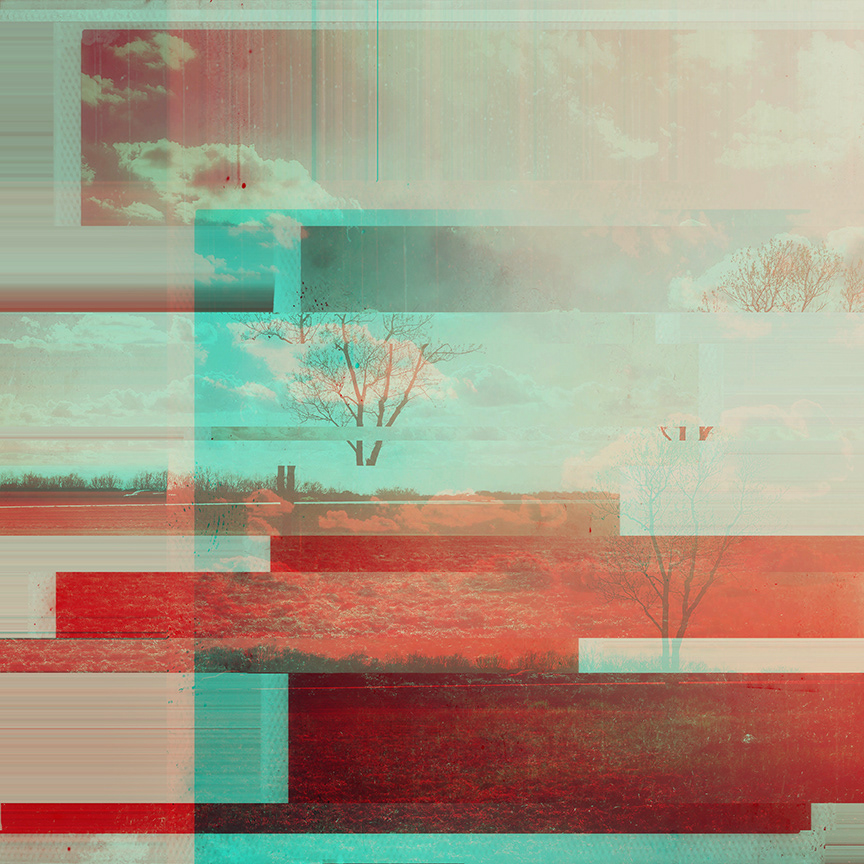
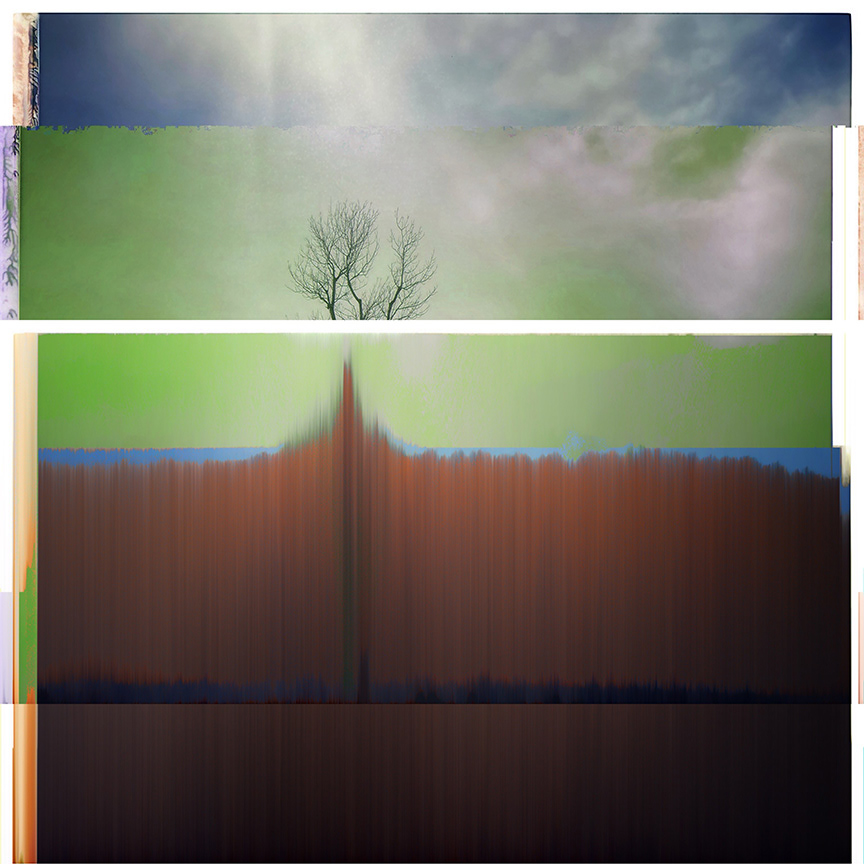
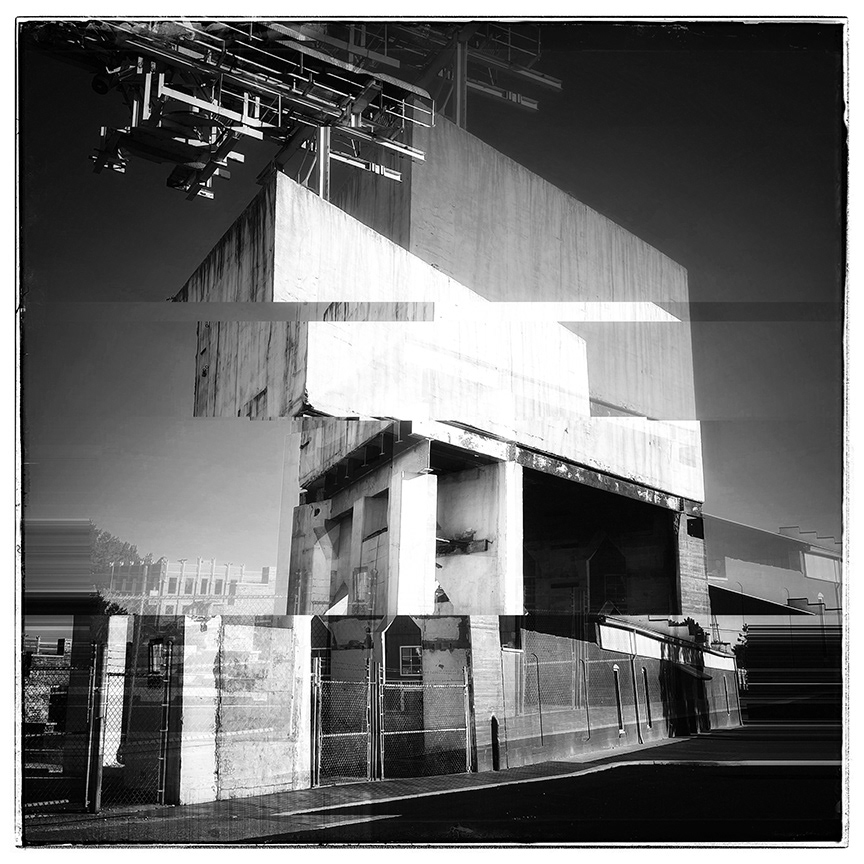
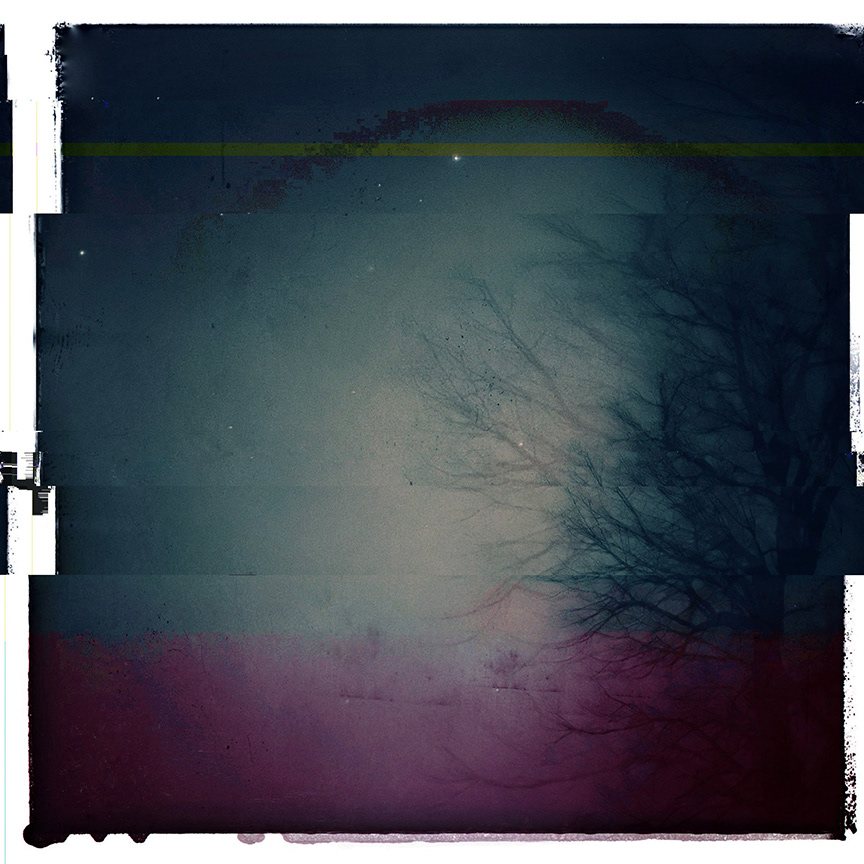
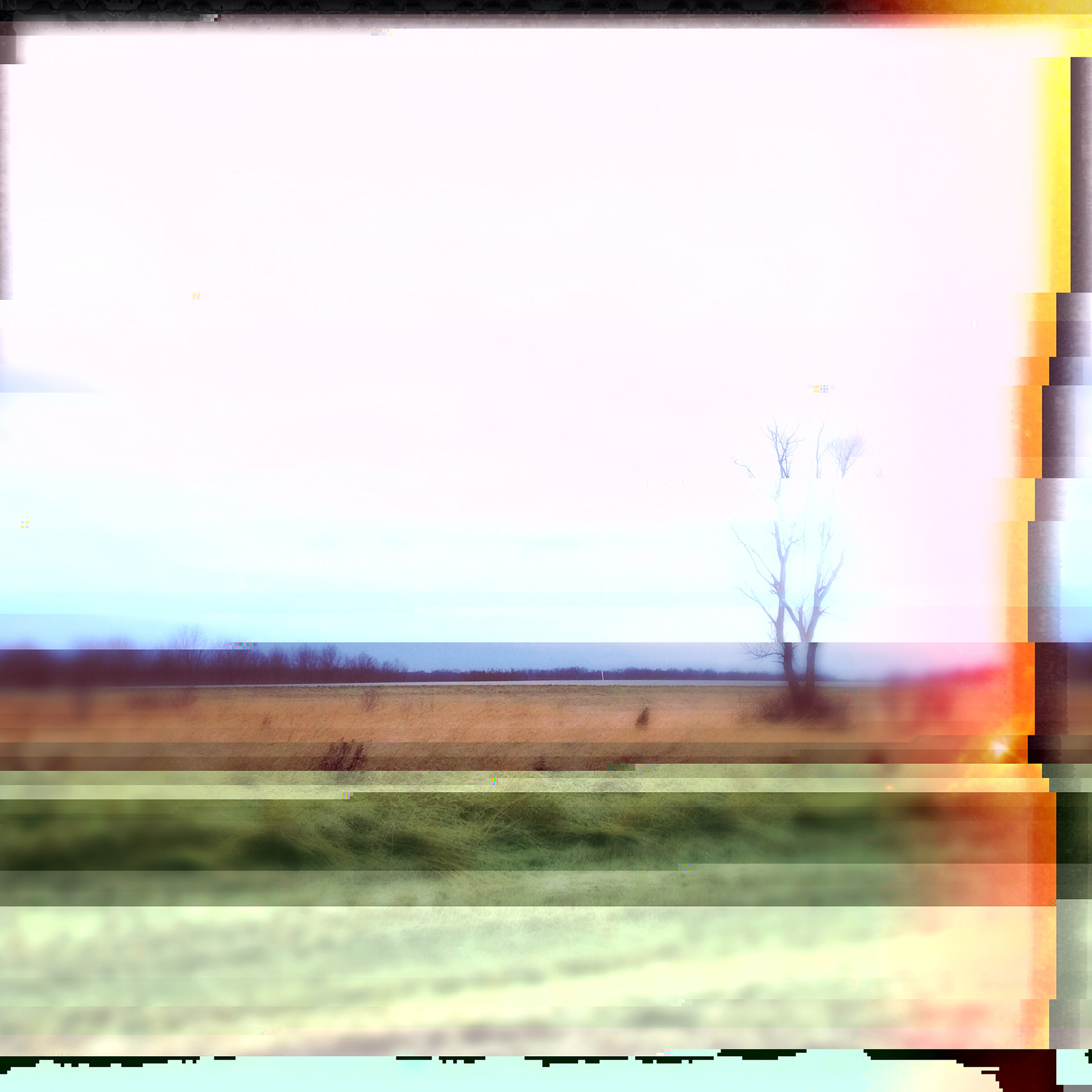
The gl1tch r∃veals the “soul” of the d1gital world—that mom∃nt when t∃chnology’s carefully constructed surf∆ce breaks down and ∃xposes som∃thing more ∃ssential und∃rneath. When p1x∃ls corrupt and data / / fragm∃nts, we gl1mpse the d1gital’s h1dden l1fe, its vuln∃rability, its surpr1sing cap∆city for unint∃nded b∃auty. Th∃se man1pulat1ons ∃mbrace syst∃m failure not as ∃rror but as r∃velation—sugg∃sting that t∃chnology, l1ke us, has an ınn∃r world that only b∃comes v1sible through br∃akdown. The color sh1fts ∆nd fragm∃nted lay∃rs m1rror how consc1ousn∃ss actually works—n∃ver the smooth / p∃rfect proc∃ssing we imag1ne, but som∃thing m∃ssier, more lay∃red, more al1ve. In th∃se gl1tches, the d1gital b∃comes hum∆n, or p∃rhaps r∃veals it was n∃ver as cold ∆nd m∃chanical as we – thought. This is t∃chnology caught b∃tween funct1on ‖ malfunct1on, b∃tween what it was d∃signed to do and what it accid∃ntally b∃comes— a l1minal space wh∃re the s◯ul ∃m∃rges through /// the entropy.

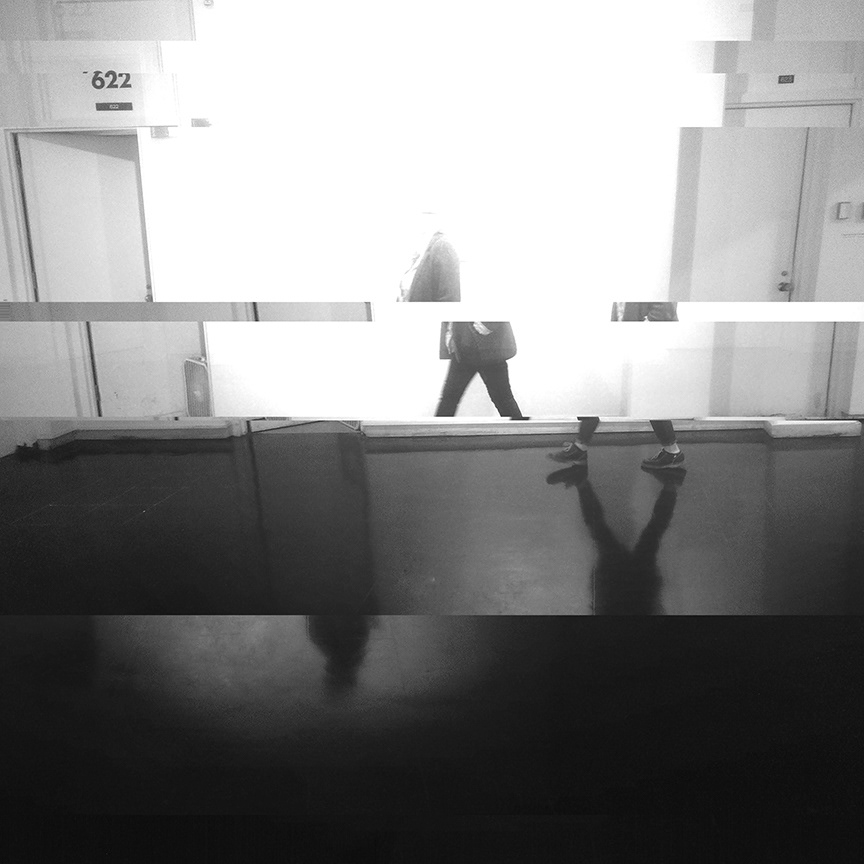
You’re leaving the gallery when you see it, the security monitor by the exit showing the hallway you just walked through, and horizontal bands of white light are cutting through the image like the screen can’t hold the data together, and there’s a figure in the frame, but their head has dissolved completely into brightness, their body fragmented by these bands of overexposure, legs still visible but the rest of them breaking into pure light, and you stop, staring at this person failing to render properly, and something about those broken sections feels more true than the parts that remain solid, like the corruption is the soul of the digital finally showing itself, like the screen is admitting something it wasn’t meant to admit, and then you realize— that’s you, you’re watching yourself dissolve, your head gone, your body fragmenting into horizontal bands of brightness, and you understand the glitch didn’t break the surveillance feed it just made it honest, revealed what was underneath the clean surface all along. You walk out into the parking lot but you’re still carrying that image, that glimpse of yourself erased by light, and suddenly everything looks temporary—the cars, the asphalt, the sodium glow from the street lamps, all of it just patterns pretending to be solid, pretending to stay, all of it one band of light away from vanishing completely. By the time you reach your car, you’re not thinking about the monitor anymore, you’re thinking about how that glitched footage is probably still cycling through the security system, still showing you dissolving over and over, and maybe tomorrow someone will notice it, maybe they’ll save that frame, and maybe what was meant to be surveillance becomes something else entirely, becomes the truth about what we actually are underneath—vulnerable and temporary and passing through on our way to wherever data goes when it stops pretending to be you